Puchong Property Market Outlook 2026: Is It Still a Smart Investment?
For decades, Puchong has been the poster child for Klang Valley suburban success. Once a tin-mining outpost, it transformed into a bustling, self-sufficient township. But as we approach 2026, the narrative is shifting. Land is becoming scarce, traffic remains a legendary hurdle, and neighboring tech hubs like Cyberjaya are offering competitive rental yields.
For homebuyers and investors asking, "Is Puchong still a smart place to buy property?" the answer in 2026 is "Yes," but the strategy has changed. The days of buying cheap landed homes for massive capital appreciation are largely over. The new opportunities lie in high-density transit-oriented developments (TODs), industrial assets, and specific pockets of undervalued neighborhoods.
This Puchong property market 2026 outlook analyzes the data, trends, and infrastructure shaping the region to help you decide if this mature township fits your portfolio.
At a Glance: Puchong Market Profile 2026
| Metric | Data |
|---|---|
| Avg Price Range | RM700k - RM1m (Landed) / RM320k+ (High-Rise) |
| Rental Yield | 3.0% - 4.5% (Resi) / 5%+ (Industrial) |
| Buyer Profile | Families, Upgraders, Industrial Investors |
| Risk Level | Low (Stable/Mature) |
| Growth Potential | Stable (Capital Preservation) |
1. Market Performance Analysis (2024–2025)
To forecast 2026, we must look at the immediate past. The last two years have defined Puchong as a market of "stability" rather than "speculation."
Residential Price Stability
Unlike the volatile shifts seen in newer townships, Puchong house prices have demonstrated resilience. Transaction data from late 2024 through November 2025 indicates a steady market.
- High-Rise: The median price for flats in Pusat Bandar Puchong hovered around RM192,000, with a median price per square foot (PSF) of RM279. This suggests a robust demand for affordable entry-level homes.
- Landed Properties: Upgraders moving from condominiums in Kuala Lumpur continue to drive demand for landed homes, with prices in established areas like Bandar Puteri and Puchong Perdana ranging between RM700,000 and RM1 million.
The Industrial Surge
While residential growth has been steady, the industrial sector has boomed. Between 2020 and 2024, industrial transaction values in Malaysia more than doubled, and Puchong has been a key beneficiary. Investors priced out of the premium Subang Jaya market (RM450–RM600 psf) have flocked to Puchong (RM350–RM500 psf), specifically areas like Pulau Meranti, driving a surge in demand for factories and logistics hubs.
2. Price and Rental Forecasts for 2026
Moving into 2026, analysts project a "slow but safe" growth trajectory for Puchong residential real estate, while industrial assets are expected to outperform.
Residential Forecast
- Capital Appreciation: Expect moderate capital appreciation. Puchong is not prone to property bubbles, making it a safer harbor for capital preservation. However, do not expect the double-digit jumps seen in the early 2010s.
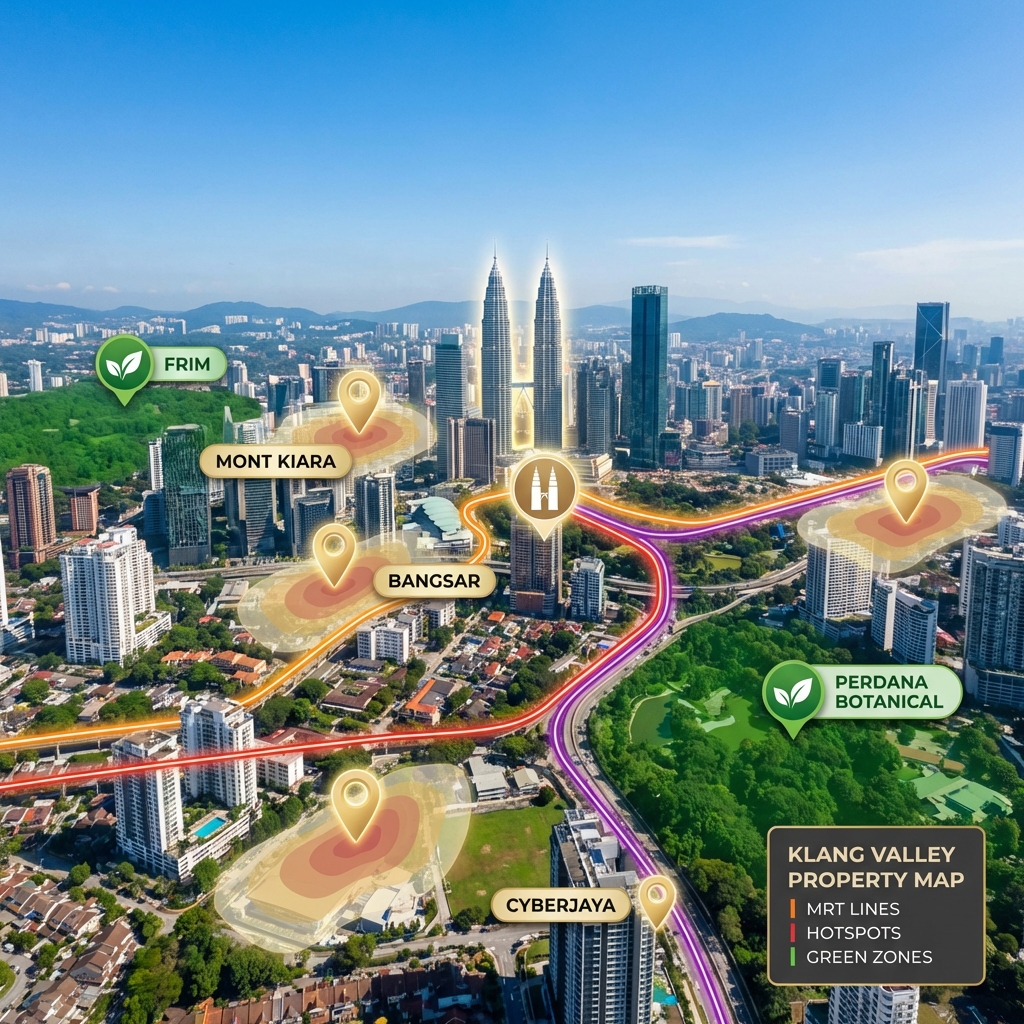
- Rental Market: Rental demand remains consistent due to the mature ecosystem of amenities (schools, malls, and highways). However, older units may face pressure. Investors seeking high yields (above 5%) might find Puchong condo investment challenging compared to neighboring Cyberjaya, which currently offers yields of 7.5% to 7.7% due to a massive influx of data center professionals.
Industrial Forecast
- The completion of projects like Binastra Business Park Pulau Meranti II in Q1 2027 is expected to set new price benchmarks for industrial lots. With continued demand for logistics and "jumbo" factories, industrial rental rates in Puchong are forecast to rise in 2026.
3. Landed vs. Condo Demand Trends
A significant structural shift is occurring in Puchong’s development landscape due to the scarcity of developable freehold land.
The Shift to High-Rise and TODs
Developers are pivoting toward high-density projects to maximize land value.
- Mah Sing Group is launching M Terra and M Hana in Puchong Perdana, targeting first-time buyers with affordable starting prices (approx. RM250k for Rumah Mampu Milik) and proximity to LRT stations.
- Glomac Berhad is introducing Loop City, an integrated high-rise development with units sized between 450 and 750 sq ft, priced around RM320,000.
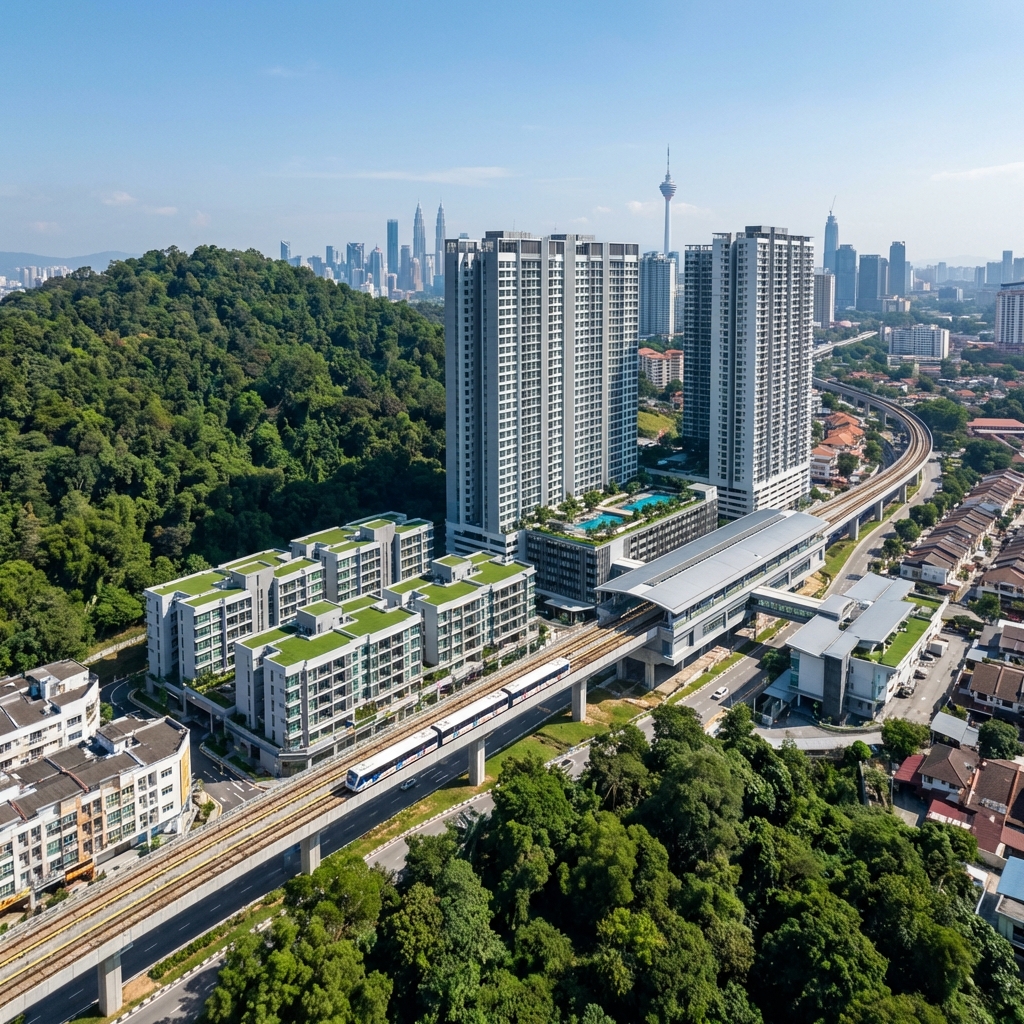
- IOI Properties is launching Covo, a Transit-Oriented Development (TOD) in 16 Sierra, located just 100 meters from the MRT station.
The Landed "Upgrader" Market
Landed properties are now considered "premium" assets in Puchong. The demand here is driven by families upgrading for space and security. Older neighborhoods like Taman Kinrara and Bandar Puteri offer larger layouts that are hard to find in new launches, making them evergreen targets for subsale buyers willing to renovate.
4. Infrastructure & Accessibility Impact
Connectivity remains Puchong’s strongest selling point and its biggest headache.
The Game-Changer: Rail Connectivity
By 2026, the integration of rail lines will further cement Puchong’s status as a Klang Valley suburban property hub.
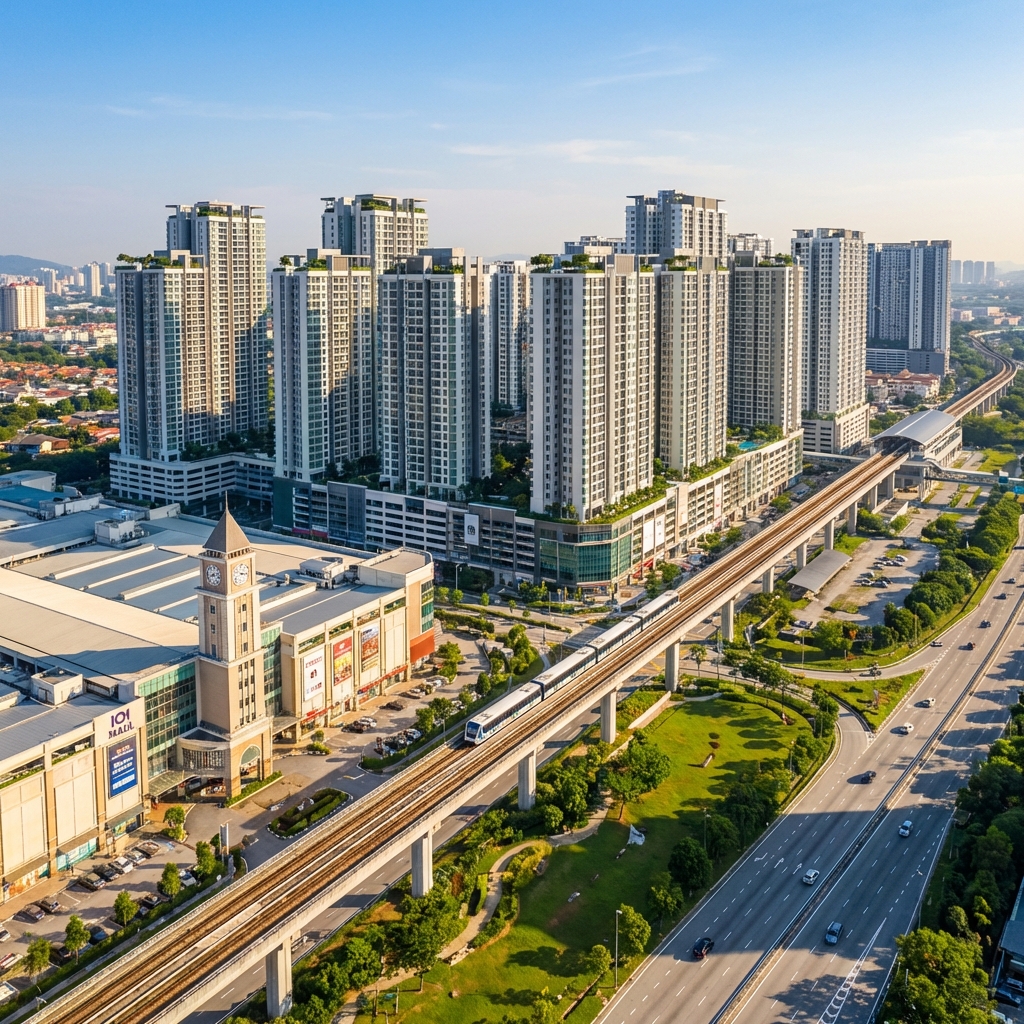
- LRT Extension: The Ampang/Sri Petaling line extension has been operational for years, with seven stations (e.g., IOI Puchong Jaya, Bandar Puteri) significantly easing the commute to KL. It offers a cost-saving alternative to driving, reducing travel costs by up to 75% for daily commuters.
- MRT Line 2: The addition of the 16 Sierra MRT station has opened up Puchong South, connecting it directly to Putrajaya, Cyberjaya, and KL City Centre.
Highway Networks
Puchong is serviced by a "spaghetti bowl" of highways: LDP, KESAS, SKVE, and ELITE.
- Pros: Excellent access to Subang, Bukit Jalil, and critically, KLIA and Port Klang. This specific connectivity is what makes Puchong attractive for logistics and industrial investors.
- Cons: The LDP is notorious for traffic congestion. While the LRT helps, the daily jam remains a defining feature of life in Puchong.
5. Popular Neighborhoods in Puchong (2026 Watchlist)
Investors and homebuyers should focus on these specific precincts:
| Neighborhood | Profile | Best For |
|---|---|---|
| Bandar Puteri | Mature, premium, financial hub. | Own-Stay / Wealth Preservation. High entry cost but excellent amenities and stability. |
| Puchong South (16 Sierra) | Modern, green, MRT-connected. | Families / Upgraders. Gated & guarded communities with better town planning. |
| Puchong Perdana | Affordable, older, LRT access. | First-Home Buyers. Entry-level condos and affordable housing options. |
| Pulau Meranti | Emerging industrial corridor. | Industrial Investors. Cheaper entry than Subang with high growth potential. |
6. Investor vs. Own-Stay Suitability
For Own-Stay Buyers
Puchong is arguably one of the best "living" townships in the Klang Valley.
- Amenities: It has everything—IOI Mall, Lotus’s, SJK(C) schools, and private hospitals.
- Community: Established neighborhoods offer a sense of security and community vibe that newer, emptier townships lack.
- Verdict: Highly Recommended. The convenience outweighs the traffic for most families. For upgraders working in KLCC who find the Puchong commute too long, Setiawangsa offers similar maturity just 5km from the city.
For Investors
- Residential: Expect stable but slow returns. Puchong is not a "flipping" market in 2026. It is a long-term hold game. If you want high rental yield, you might be better off looking at Cyberjaya's student/expat market or smaller units near universities.
- Industrial: This is the "smart money" play. With e-commerce and logistics booming, buying a factory or warehouse in Puchong (e.g., Binastra Business Park) offers better rental yield potential and capital appreciation than residential units in the current cycle.
7. Key Risks and Oversupply Concerns
While the Puchong property market 2026 outlook is positive, risks remain:
- Traffic Congestion: Despite the LRT, traffic on the LDP remains a major deterrent for tenants who work in KL but do not live near a station.
- High-Density Fatigue: The shift from landed to high-density commercial/residential integrated projects (like Loop City) raises concerns about oversupply in the serviced apartment segment.
- Competition from Cyberjaya: For rental investors, Cyberjaya offers lower entry prices (median RM450k) and higher yields (7.5%+), making it a formidable competitor for investor capital.
- Cost of Living: While cheaper than KL, Puchong is no longer "cheap." Lifestyle inflation in the area (malls, dining) matches established suburbs like Subang Jaya.
Conclusion
Is Puchong still a smart investment in 2026? Yes, if you value stability over hype.
Puchong has matured into a self-sustaining powerhouse. It offers consistency, connectivity, and comfort—qualities that protect property values even during economic downturns.
- Buy Residential if you are looking for a forever home in a township where you never need to leave the neighborhood for groceries, school, or banking.
- Buy Industrial if you want to ride the wave of Malaysia's logistics and manufacturing boom.
However, if you are a speculative investor looking for double-digit rental yields or quick flips, Puchong’s steady-eddy nature might be too slow for you. In that case, look toward the emerging tech corridors nearby. But for the risk-averse, Puchong remains a cornerstone of a solid property portfolio.
Frequently Asked Questions (FAQ)
1. Is Puchong property still a good investment in 2026? Puchong offers stability and capital preservation rather than rapid speculative gains. It is excellent for long-term holders. However, for high rental yields (above 5%), investors face stiff competition from Cyberjaya. Industrial property in Puchong is currently outforming residential.
2. What are the property price trends in Puchong for 2026? Residential prices are stable with moderate growth. Landed homes in Bandar Puteri range from RM700k to RM1m. New high-rise launches are competitively priced but face oversupply risks. Industrial property is seeing significant appreciation due to logistics demand.
3. Does the MRT line cover Puchong? Yes, Puchong is well-served by the LRT Sri Petaling line (IOI Puchong Jaya, Bandar Puteri) and the MRT Putrajaya Line (16 Sierra). This dual connectivity significantly boosts accessibility to KL City Centre, Cyberjaya, and Putrajaya.
4. Why is traffic in Puchong so bad? Puchong relies heavily on the LDP highway, which is a major bottleneck during rush hours. While rail connectivity helps, the high density of residential and commercial developments keeps road traffic volume high.
5. Landed vs Condo: Which is better in Puchong? Landed properties are "premium" assets with scarcity value and better capital appreciation potential. Condos offer affordablity but face high competition. For own-stay, landed is preferred; for entry-level investing, TOD condos are safer.
6. What is the rental yield in Puchong? Residential yields are generally between 3% and 4.5%. Industrial properties and factories offer higher potential yields. The rental market is sustained by local families and workers, but faces pressure from newer townships nearby.
Related Resources
- Compare Areas: Check out our Cheras Property Market Outlook 2026 for another mature suburb comparison.
- Industrial Insight: Read about Green Buildings in Malaysia to see how industrial parks are evolving.
- Find Listings: Browse curated Puchong Listings here.