As the global construction sector transitions toward a low-carbon economy, the concept of the "green building" has evolved from a niche experiment into a sophisticated industrial standard. In the context of the Malaysian property market, where urbanization and energy demand are rising, adopting green construction practices is no longer merely an aesthetic choice but a critical imperative for climate mitigation and economic resilience.
This article explores the defining characteristics of green certified buildings in Malaysia, the technologies driving their efficiency, and the tangible value they offer to homeowners and investors.
Understanding Green Building in the Malaysian Context
A green building is defined as a structure that is environmentally responsible and resource-efficient throughout its entire life cycle—from siting and design to construction, operation, maintenance, renovation, and deconstruction. In the Malaysian context, this involves creating structures that minimize environmental degradation while enhancing occupant health and productivity through an integrated systems approach.
The foundation of this approach rests on a holistic lifecycle perspective. It recognizes that a building's impact begins with raw material extraction and continues through occupancy. Consequently, sustainable property in Malaysia is increasingly defined by its ability to reduce the "performance gap"—the difference between design expectations and actual post-occupancy operational results.
Key Green Building Features
Modern green buildings utilize specific technologies and design philosophies to minimize resource consumption and maximize occupant well-being.
1. Energy Efficiency
Energy efficiency is the cornerstone of sustainable design, aiming to reduce demand before incorporating renewable generation.
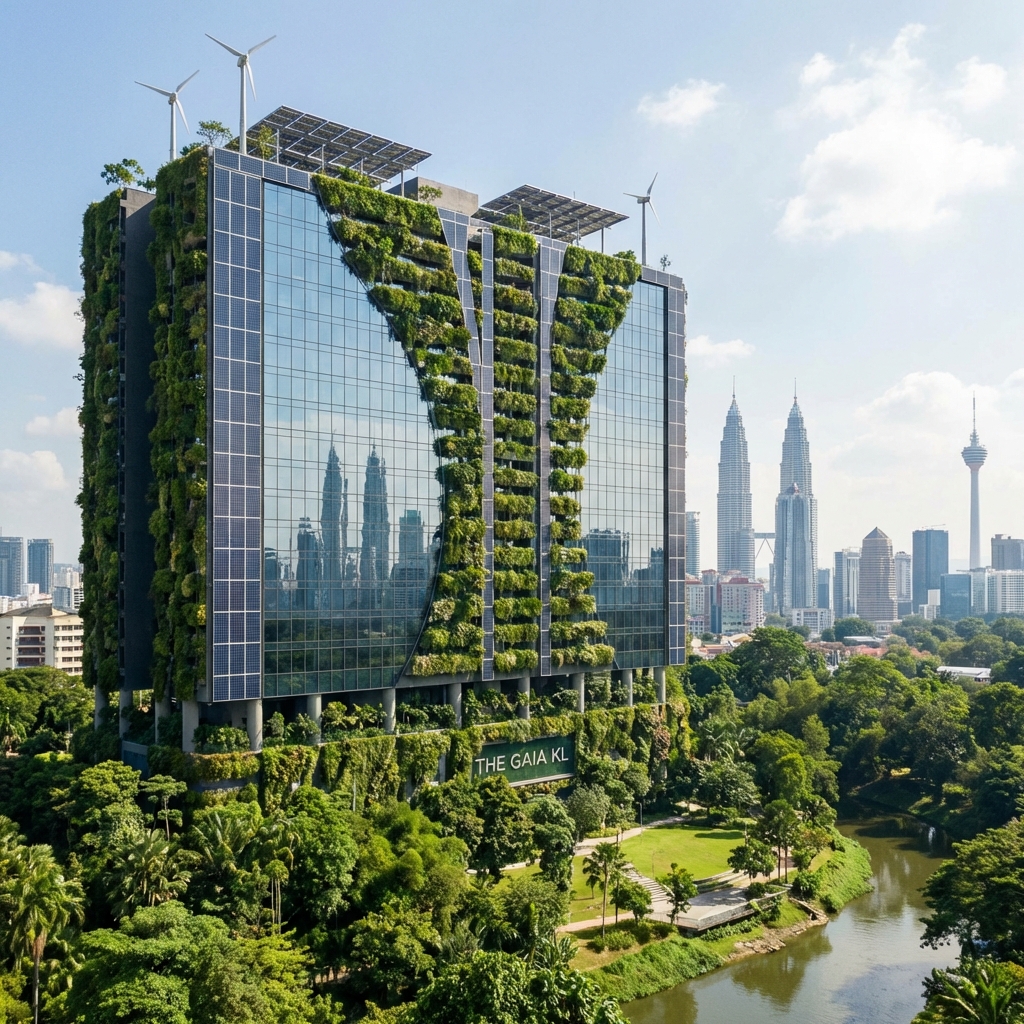
- Solar Power: Solar photovoltaic (PV) panels are a primary method for generating renewable electricity on-site. They absorb sunlight to power lights and equipment, and with declining costs, they have become a viable option for reducing energy bills. Building-integrated photovoltaics (BIPV) can even serve as part of the building envelope.
- Smart Lighting: High-performance buildings utilize LED lighting and automated sensor technology. Automated systems are particularly beneficial in facilities with fluctuating occupancy, ensuring lights are active only when needed.
- Advanced Insulation and Glazing: To combat heat gain—a critical factor in tropical climates like Malaysia—green buildings employ high-performance building envelopes. This includes low-emissivity (low-e) glass coatings that control heat flow and insulated glass units filled with inert gases. Smart glass technologies, such as thermochromic glass, can adaptively change tint in response to sunlight, optimizing energy performance passively.
- High-Efficiency HVAC: Technologies like Variable Refrigerant Flow (VRF) systems and active chilled beams are replacing traditional cooling methods. Chilled beams, for instance, operate on clean potable water and can provide energy savings of approximately 22% compared to conventional systems.
2. Water Efficiency
With global water scarcity intensifying, green building features now view buildings as nodes in a circular hydrological system.
- Greywater Recycling: Greywater—wastewater from showers, basins, and laundries—accounts for 50% to 89% of domestic wastewater volume. In Malaysia, specific data indicates that greywater recycling is a viable strategy for reducing potable water demand. Treated greywater can be reused for toilet flushing and landscape irrigation.
- Rainwater Harvesting: Collecting rainwater from roofs and paved areas allows for filtration and reuse for sanitary needs or irrigation, drastically reducing reliance on municipal potable water.
- Low-Flow Fittings: The installation of low-flow plumbing fixtures, such as dual-flush toilets and aerated faucets, is a primary strategy for indoor water conservation.
3. Sustainable Materials
The selection of building materials significantly influences a project's environmental footprint. Sustainable property in Malaysia increasingly prioritizes materials with low embodied energy.
- Bio-based Materials: Bamboo is a standout biophilic material due to its rapid renewability, ready for harvest in just three to five years. It is used for flooring and structural support. Cork is another renewable option that provides thermal and acoustic insulation.
- Recycled Content: Using recycled steel and aluminium reduces the need for virgin resource extraction. Recycled steel is infinitely recyclable and structurally sound.
- Carbon-Sequestering Materials: Innovations such as hempcrete and mass timber actively store atmospheric carbon within the building structure.
4. Indoor Environmental Quality (IEQ)
IEQ encompasses air quality, thermal comfort, and lighting, all of which directly affect occupant health.
- Ventilation and Filtration: Green buildings separate ventilation from heating and cooling to ensure superior air quality. Dedicated Outdoor Air Systems (DOAS) filter fresh air before delivering it to occupied spaces.
- Biophilic Design: This involves integrating natural elements, such as living walls and water features, to reduce stress and improve mood. Living walls can be soil-based or hydroponic, helping to filter air pollutants and regulate temperature.
5. Smart Building Technologies
The integration of Internet of Things (IoT) sensors and Artificial Intelligence (AI) allows buildings to adapt to real-time conditions.
- Digital Twins: These are virtual replicas of buildings that use data from embedded sensors to predict behaviour. Managers can use digital twins to test energy-saving ideas and optimize performance.
- Automated Controls: Smart devices, such as motion detectors and programmable thermostats, automate processes to ensure efficiency, such as switching off lights when areas are unoccupied.
Green Building Certifications in Malaysia
Third-party validation is essential for verifying a building's sustainability claims. While Malaysia has its own standards, international frameworks are widely applicable and recognized.
Leadership in Energy and Environmental Design (LEED)
LEED is a globally recognized certification system used in over 180 countries. It evaluates buildings on a point-based system across categories such as sustainable sites, water efficiency, energy and atmosphere, materials and resources, and indoor environmental quality.
- Focus: LEED emphasizes carbon reduction and energy efficiency, with certified projects achieving up to 30% energy savings over non-certified buildings.
- Levels: Projects can achieve Certified, Silver, Gold, or Platinum status based on the points earned.
WELL Building Standard
While LEED focuses on environmental performance, the WELL Building Standard prioritizes human health. It evaluates features such as air, water, nourishment, light, movement, and mind. WELL is often pursued alongside LEED to achieve a holistic approach to both environmental and human health.
BREEAM
Although less common in Asia than LEED, BREEAM is a leading sustainability assessment method that emphasizes lifecycle integration and management. It uses licensed assessors to verify evidence against credit criteria.
Note: While local certifications like the Green Building Index (GBI) and GreenRE are prominent in the Malaysian market, the provided resources focus on international standards like LEED and WELL, which are fully applicable to green certified buildings in Malaysia.
Analyzing Benefits for Homeowners and Investors
Investing in green building Malaysia projects offers compelling economic and social advantages.
1. Lower Utility and Operating Costs
Green buildings are engineered to use 30% to 50% less water and energy than structures following standard codes.
- Energy Savings: Through features like high-performance glazing and efficient HVAC systems, owners can significantly reduce electricity bills. For example, the use of chilled beam technology alone can provide energy savings of approximately 22%.
- Maintenance: Durable, sustainable materials often require less frequent replacement, reducing long-term maintenance costs.
2. Health, Comfort, and Productivity
Improved Indoor Environmental Quality (IEQ) leads to measurable gains in occupant health.
- Productivity: Research indicates that participants exposed to natural settings and biophilic design reported a 10% increase in productivity levels.
- Reduced Sick Leave: Better ventilation and filtration reduce the presence of indoor pollutants, protecting occupant health.
3. Long-Term Property Value
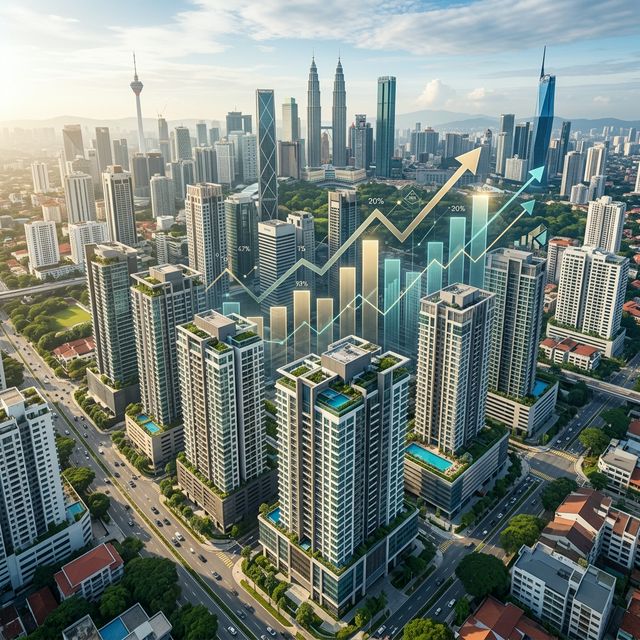
Data indicates that green buildings typically yield an Internal Rate of Return (IRR) of 20% or more.
- Asset Value: Sustainable buildings often achieve significantly higher asset values and lease rates compared to conventional buildings.
- Resale Value: Homes that prioritize natural light and sustainable materials appeal more to buyers valuing wellness and eco-friendliness, potentially increasing property value.
4. ESG and Sustainability Alignment
For corporate investors, green buildings are essential for meeting Environmental, Social, and Governance (ESG) goals.
- Carbon Footprint: The building and construction industry is responsible for 39% of all carbon emissions globally. Green buildings help companies meet carbon neutrality goals by reducing operational and embodied carbon.
- Regulatory Compliance: Adhering to green standards helps future-proof assets against tightening environmental regulations.
Real-World Examples of Green Building Success
While specific Malaysian case studies in the provided text are limited, global examples demonstrate the efficacy of these technologies, which are replicable in the Malaysian context.
- The Bullitt Center (LEED Platinum): This project achieved an ultra-low energy use intensity (EUI) of 16 kBtu/ft²/year through real-time monitoring and high-performance design. It serves as a model for net-zero energy buildings achievable through rigorous certification.
- Bloomberg London HQ (BREEAM Outstanding): This facility utilized a "breathable" façade and natural ventilation strategies to reduce energy use by approximately 35% compared to a typical office.
- Delos HQ (WELL Platinum): This project highlights the balance between health and energy. While prioritizing occupant comfort through real-time environmental controls, it demonstrated the trade-offs required to maintain high IEQ standards.
Conclusion
The shift towards sustainable property in Malaysia is driven by a convergence of economic necessity and environmental responsibility. By integrating features such as advanced energy management systems, water recycling, and biophilic design, developers can create spaces that are not only cheaper to operate but also healthier for people. As the industry moves toward 2026, the adoption of digital twins and regenerative materials will be critical for meeting global carbon neutrality goals. For homeowners and investors alike, the evidence is clear: green buildings offer a robust pathway to long-term value and sustainability.
Frequently Asked Questions (FAQ)
What makes a building green in Malaysia?
A building is considered green in Malaysia when it adopts practices that are environmentally responsible and resource-efficient throughout its life cycle. Key determinants include the use of energy-efficient technologies (like solar panels and smart lighting), water conservation measures (such as rainwater harvesting and greywater recycling), and the use of sustainable materials. Certification by recognized bodies like LEED verifies these attributes.
Are green buildings more expensive to build?
There is a perceived premium associated with sustainable construction, but data indicates the average initial cost premium is approximately 2%. This marginal increase is primarily attributed to increased architectural and engineering requirements. However, these initial costs are rapidly recovered through significantly lower operating and maintenance costs.
Do green buildings have higher resale value?
Yes, green buildings often command higher asset values. Projects incorporating green features typically yield an Internal Rate of Return (IRR) of 20% or more. Furthermore, homes prioritizing natural light, outdoor access, and sustainable materials appeal more to buyers, potentially increasing property value as the market shifts toward environmentally conscious living.
What are the main benefits of green building certifications?
Certifications like LEED and WELL provide third-party validation of a building's sustainability and health performance. They serve as a roadmap for development, ensuring projects meet rigorous standards for energy efficiency, water conservation, and occupant well-being. Certified buildings are also better positioned to meet ESG goals and regulatory requirements.