Desa ParkCity Property Market Outlook 2026: Prices, Trends & Outlook
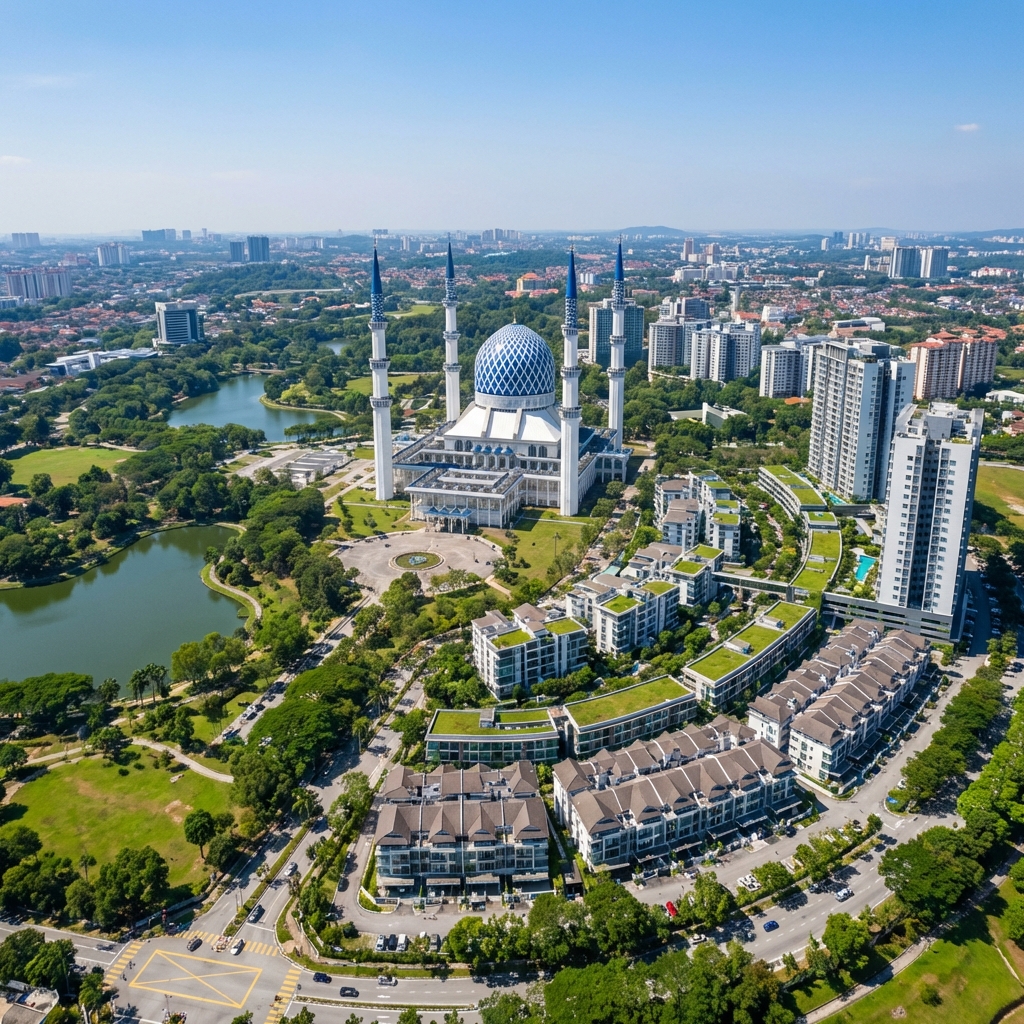
Desa ParkCity (DPC) has arguably become the gold standard for township living in Malaysia. Transformed from a barren quarry into a multi-award-winning "New Urbanist" community, it is frequently cited as the best family area in Kuala Lumpur due to its walkability, safety, and pet-friendly environment.
As we head into 2026, the township enters a mature phase with limited remaining land for development. For investors and homebuyers, this raises a critical question: Has DPC reached its price ceiling, or does the "scarcity premium" still offer room for growth? This guide analyzes the Desa ParkCity house price trends, new developments like Noora, and the lifestyle factors shaping the market for the coming year.
1. 2025-2026 Price Trends and Market Performance
While the broader Malaysian property market fluctuates, Desa ParkCity has demonstrated remarkable resilience and capital appreciation, often outperforming its neighbors.
Valuation and Growth
As of the period ending late 2025, the median transacted price for residential property in DPC stood at RM 1.45 million, with a median price per square foot (PSF) of RM 994.
- Capital Appreciation: The township recorded a robust 16.55% year-on-year (YoY) increase in median prices and a 6.06% YoY growth in PSF values. This indicates that demand continues to outstrip supply.
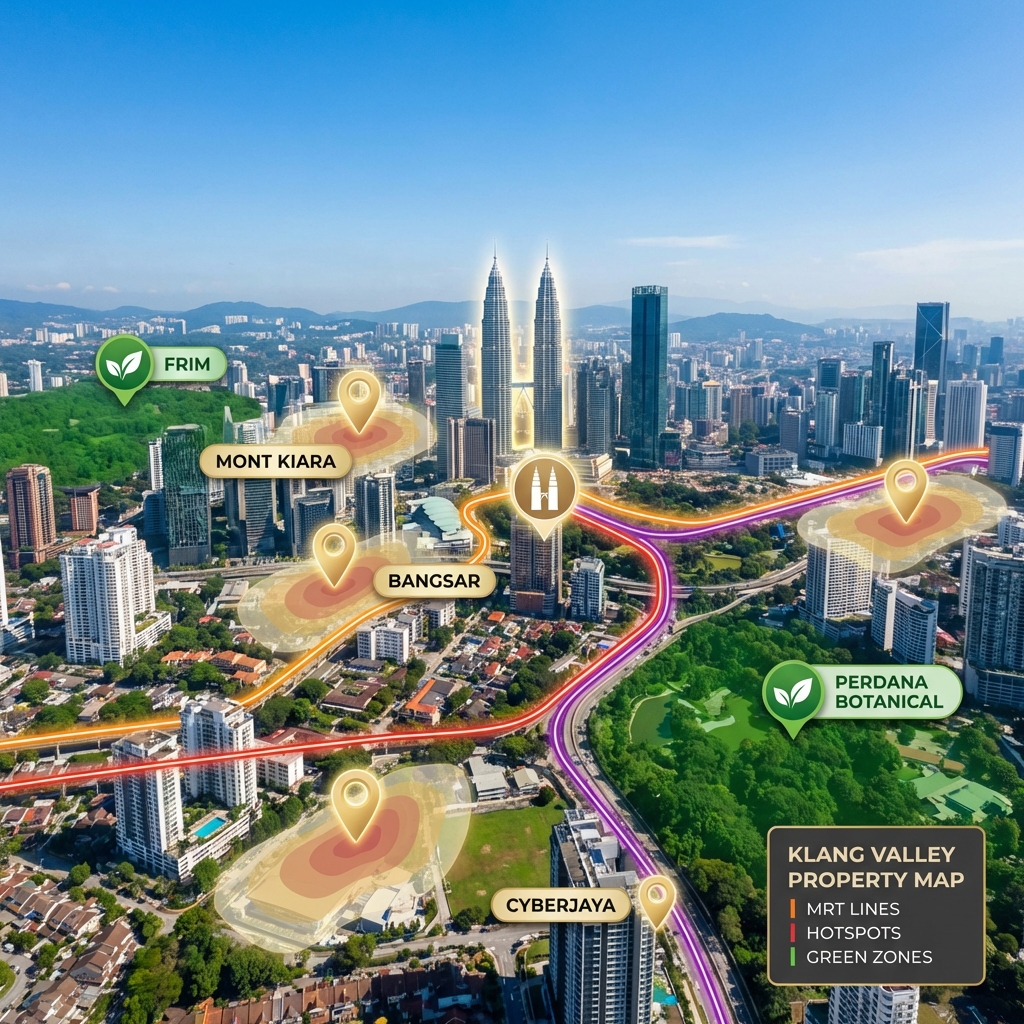
- The "Township Premium": Properties in DPC typically command a premium of approximately 20% over comparable units in neighboring areas like Mont Kiara or Bandar Menjalara. This premium is the cost of entry for the township's security, maintenance, and lifestyle ecosystem.
Rental Yields
Unlike high-density commercial hubs, DPC is primarily an owner-occupier market. Consequently, gross rental yields are stable but moderate, typically ranging between 3.0% and 4.0%. However, specific high-demand units can fetch yields of 4% to 6% due to limited supply and strong demand from expatriate families.
2. Pros and Cons of the Desa ParkCity Lifestyle
Investing in DPC is largely an investment in its lifestyle. Understanding the trade-offs is essential for 2026 buyers.
The Pros: A "Blue-Chip" Sanctuary
- Walkability & Safety: DPC is Kuala Lumpur’s "most walkable" community, featuring 9-foot wide sidewalks and a strict gated-and-guarded environment patrolled by auxiliary police. It is designed as a "community of short distances," where schools, hospitals, and parks are accessible by foot.
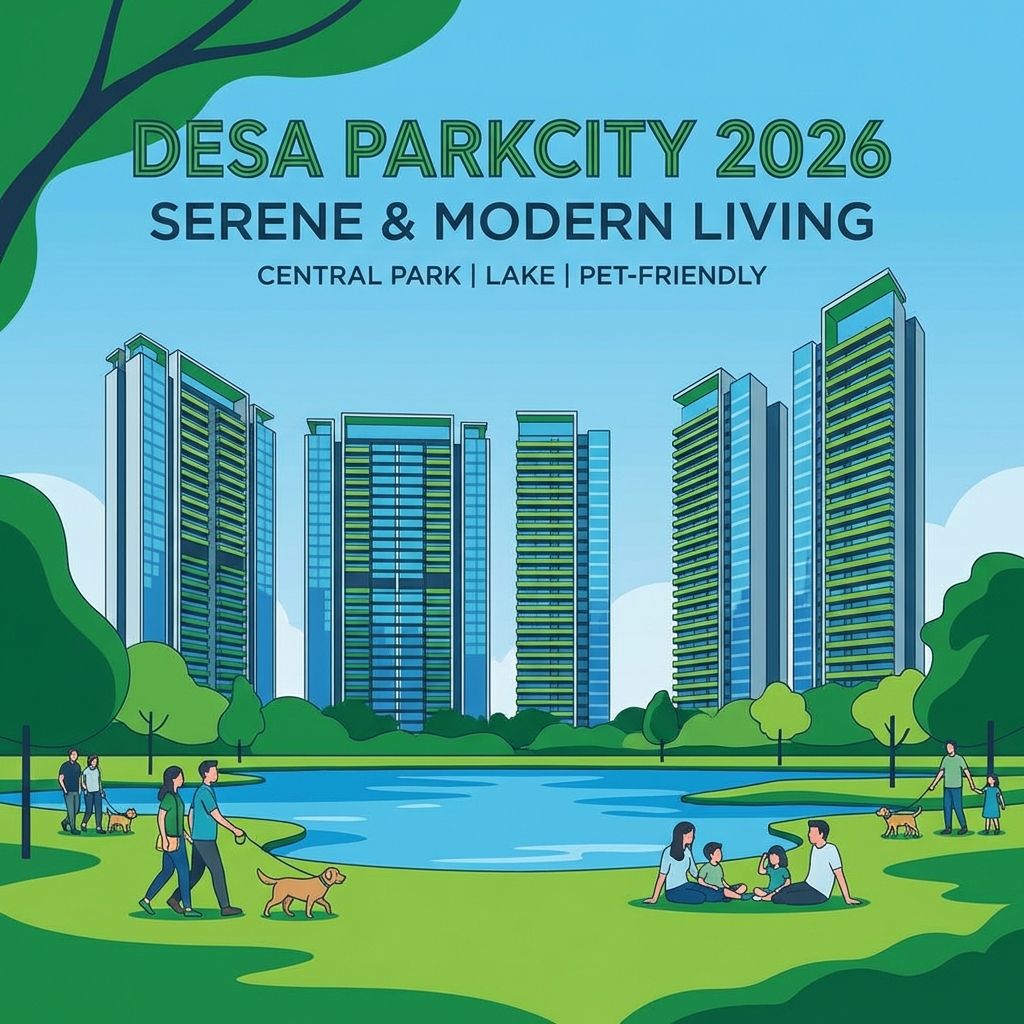
- Pet-Friendly Ecosystem: The 13.9-acre Central Park is a major draw, being one of the few dog-friendly public parks in the Klang Valley. This attracts a specific, affluent demographic willing to pay a premium for pet-friendly living.
- Self-Sufficiency: The township contains The International School @ ParkCity (ISP), ParkCity Medical Centre, and retail hubs like The Waterfront and Plaza Arkadia, creating a recession-resistant ecosystem.
The Cons: Cost and Connectivity
- High Entry Barrier: With a median price nearing RM 1.5 million, DPC is inaccessible to many mass-market buyers. The cost of living within the township (dining, groceries) also tends to be higher than in surrounding suburbs.
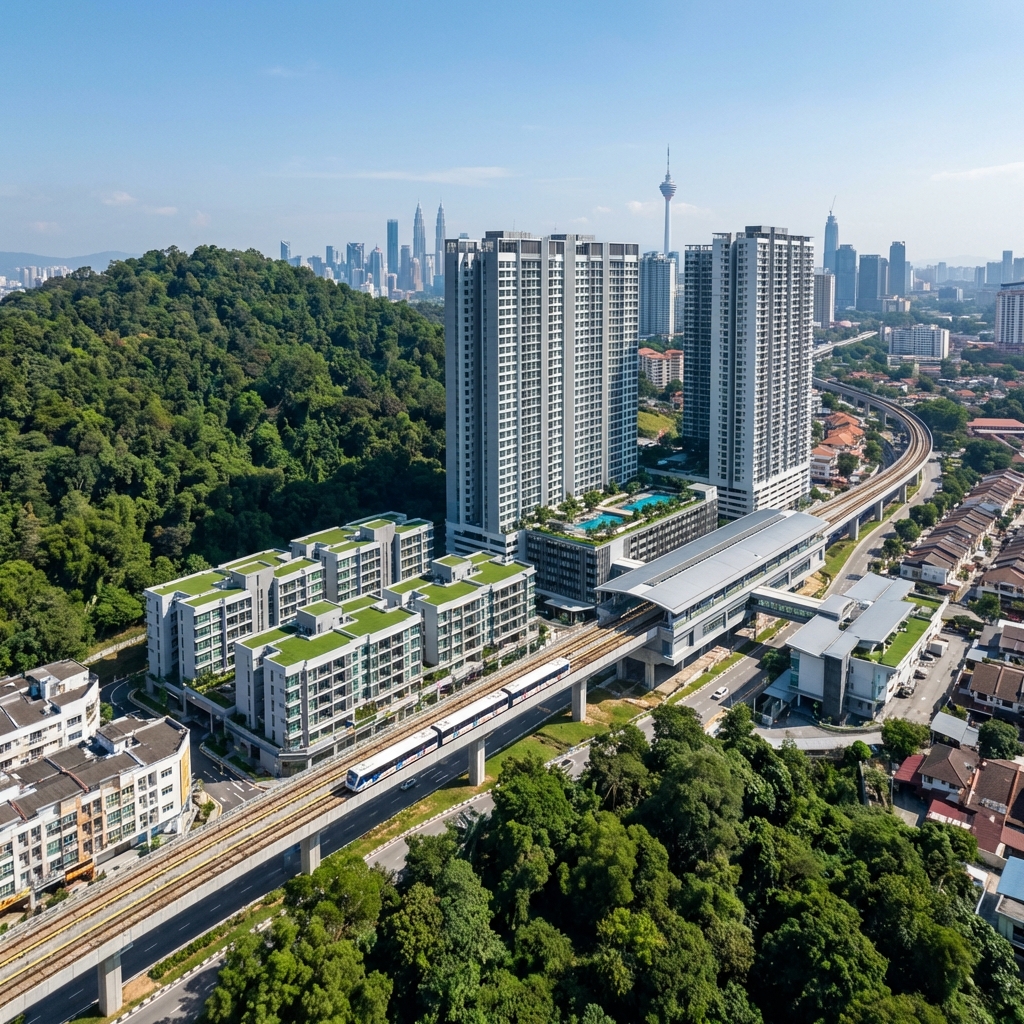
- Traffic & Access: While connected to the LDP, DUKE, and MRR2, the township is car-dependent for travel outside its gates. Traffic congestion during peak hours and weekends—driven by visitors to the Central Park and Plaza Arkadia—is a noted drawback.
3. Best Property Types to Buy in 2026
The DPC market is segmented into distinct tiers. Your choice depends on your budget and investment horizon.
A. The New "Integrated" Choice: Noora (Noöra)
Slated for completion in 2026/2027, Noora is the current focal point for investors.
- Concept: It is the township's first integrated development with a dedicated retail podium (Noora Walk). It features Scandinavian design and targets millennials with smaller, more efficient layouts.
- Pricing: Launch prices ranged from RM 900 to RM 1,000 PSF. This offers a slightly lower entry point compared to the ultra-luxury segment, making it attractive for investors targeting young professionals.
- Outlook: As a high-density commercial-residential hybrid, it offers convenience but may differ in "vibe" from the quieter park-front condos.
B. The Luxury High-Rise: Park Regent & Park Place
For those seeking the pinnacle of vertical living:
- Park Regent: Completed in 2023, it commands the highest prices, with transactions reaching RM 1,478 PSF. It appeals to wealthy owner-occupiers desiring direct lake access.
- Park Place: Located in the TownCenter, it emphasizes communal spaces (co-working lofts, music rooms) and has seen transacted prices around RM 1,315 PSF.
C. The "Value" Buy: Older Condominiums
Older phases like The Westside One (median ~RM 833 PSF) and Nadia Parkfront (~RM 741 PSF) offer excellent value. These units allow buyers to access the Desa ParkCity lifestyle and amenities at a significantly lower PSF than new launches, providing potential for capital gains via refurbishment.
4. Who Should Buy in Desa ParkCity?
- The Upgrader Family: DPC is the ultimate destination for families moving from congested suburbs like Kepong or PJ. The safety, parks, and international school create a "sticky" environment where families tend to stay long-term.
- The Expat: While Mont Kiara has a higher volume of expats, DPC attracts those who prioritize green spaces and a resort-like atmosphere over city proximity. It is particularly popular with Western expats and those with pets.
- The Long-Term Investor: With only ~70 acres of land left undeveloped as of recent reports, supply is finite. Investors buying now are banking on the scarcity premium driving prices up as the township fully matures.
Verdict: Is 2026 the Right Time?
Desa ParkCity remains a defensive, high-growth asset class going into 2026. While the entry cost is high, the 16% YoY appreciation suggests the market has not yet peaked.
For buyers, the choice in 2026 is between the modern, integrated convenience of the newly completing Noora (ideal for rental income and younger tenants) or the spaciousness of secondary market units in Westside or Northshore (ideal for family living and value).
Related Resources
- Compare Neighborhoods: Undecided? See our detailed Mont Kiara vs Desa ParkCity comparison.
- Deep Dive: Read our full Desa ParkCity Investment Guide for more specific project data.
- Find Listings: Browse curated Desa ParkCity Listings for sale here.