Investing in Mont Kiara: Rental Yield, Risks & Strategy
The Kuala Lumpur property landscape continues to evolve, with Mont Kiara maintaining its status as the "Beverly Hills" of Malaysia. Long regarded as the premier enclave for expatriates and high-net-worth individuals, Mont Kiara offers a unique ecosystem of luxury high-rises, international schools, and sophisticated retail hubs. However, as the market matures in 2025, investors and families are increasingly weighing the density of Mont Kiara against the master-planned serenity of its closest rival, Desa ParkCity.
This comprehensive guide analyzes the current Mont Kiara property market, infrastructure catalysts like the MRT3, and provides a critical comparison of the Desa ParkCity lifestyle and valuation trends to help you decide where to deploy capital.
Market Overview: Mont Kiara’s Resilience and Growth
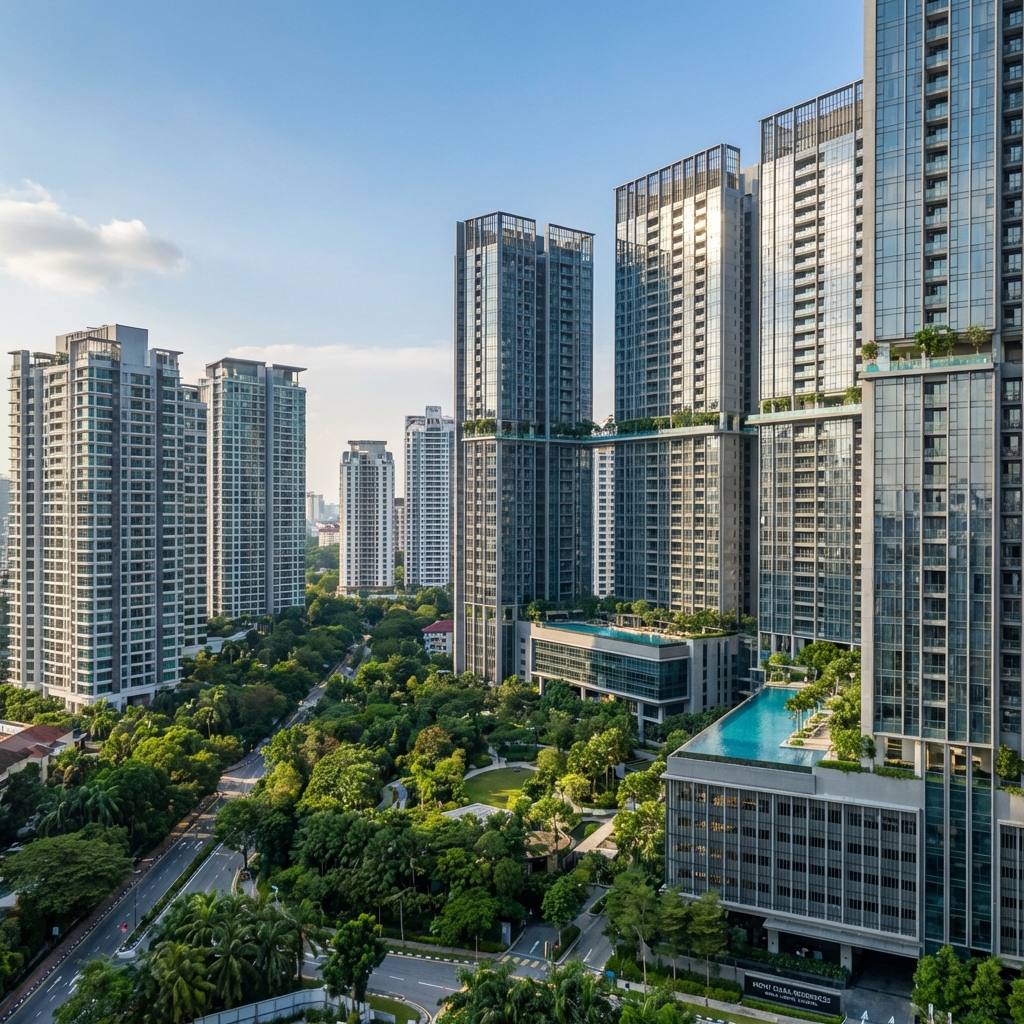
Mont Kiara has transitioned from a pure residential suburb into a self-contained urban center. Despite macroeconomic fluctuations, the area remains a defensive asset class due to its strong expatriate rental market.
Residential Performance and Rental Yields
As of late 2025, the Mont Kiara residential market is characterized by a bifurcation between mature, spacious units and newer, lifestyle-driven compact developments. The median transacted price for residential properties hovers around RM 1.35 million, with a median price per square foot (psf) of approximately RM 747. However, premium "Blue Chip" condominiums frequently transact well above this baseline.
- Luxury Benchmarks: Established luxury projects like Seni Mont Kiara recorded a median price of RM 2.65 million (RM 878 psf) over the last 12 months. Newer completions such as Residensi 22 continue to command a premium, with median transactions at RM 2.45 million (RM 1,198 psf), reflecting the high demand for modern, large-format family units.
- Rental Yields: Investors can expect gross rental yields ranging between 4.0% and 6.0%, significantly higher than the national average. Smaller units in developments like Arcoris Residences often generate higher yields due to their appeal to single expatriates and digital nomads, while larger family units offer capital preservation.
Commercial Evolution: The Institutional Shift
A major vote of confidence in Mont Kiara’s commercial viability occurred in late 2024 when Sunway REIT completed the acquisition of 163 Retail Park for RM 215 million, rebranding it as Sunway 163 Mall. With an occupancy rate of 99%, this acquisition signals that institutional players view Mont Kiara’s retail sector as a stable, high-yield asset class.
Furthermore, the completion of The MET Corporate Towers in the adjacent KL Metropolis component has introduced the first Grade-A stratified corporate offices to the area. Units here are transacting between RM 1,200 and RM 1,500 psf, attracting multinational tenants like Siemens Healthcare and diversifying the district’s demographic beyond just residents to corporate professionals.
Infrastructure Catalysts: MRT3 and Road Upgrades
Historically, Mont Kiara’s reliance on private vehicles has been its Achilles' heel. However, upcoming infrastructure projects are set to alleviate congestion and boost property values.
The MRT3 Circle Line
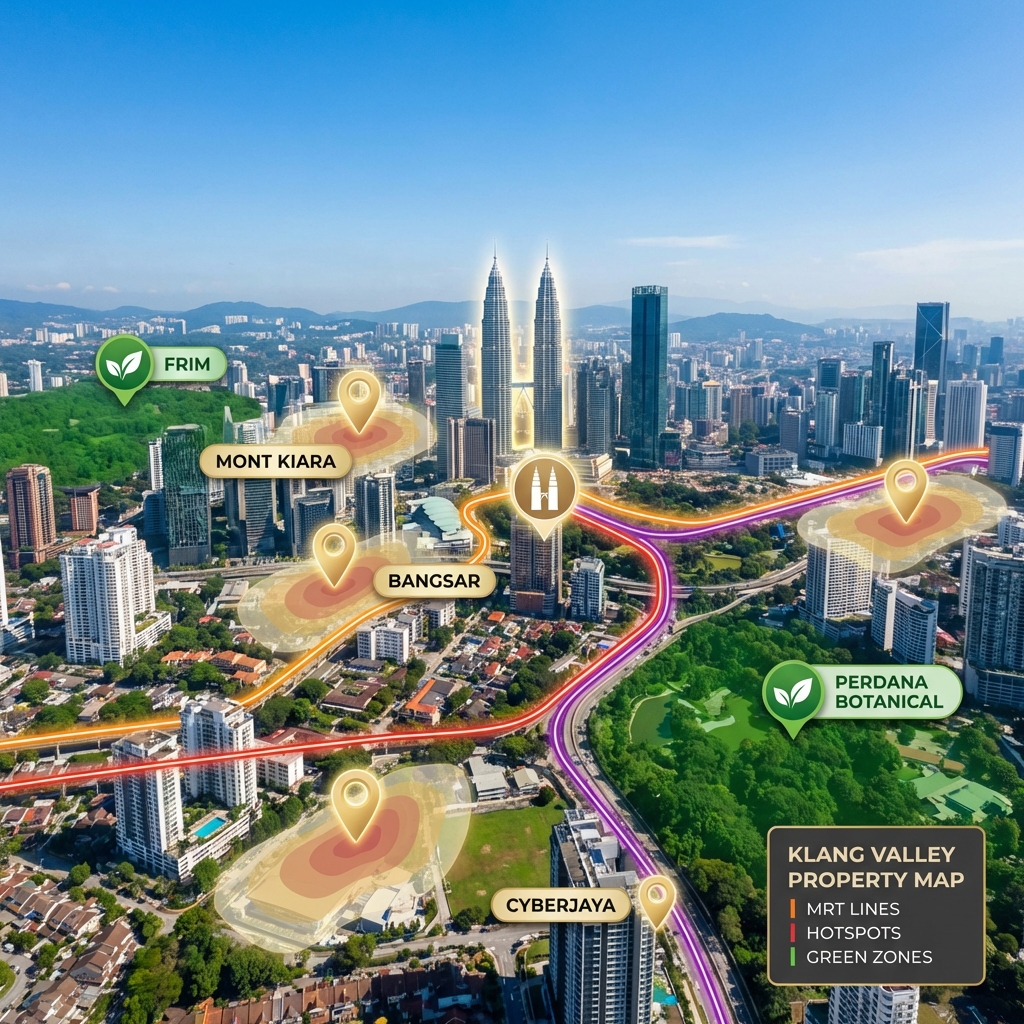
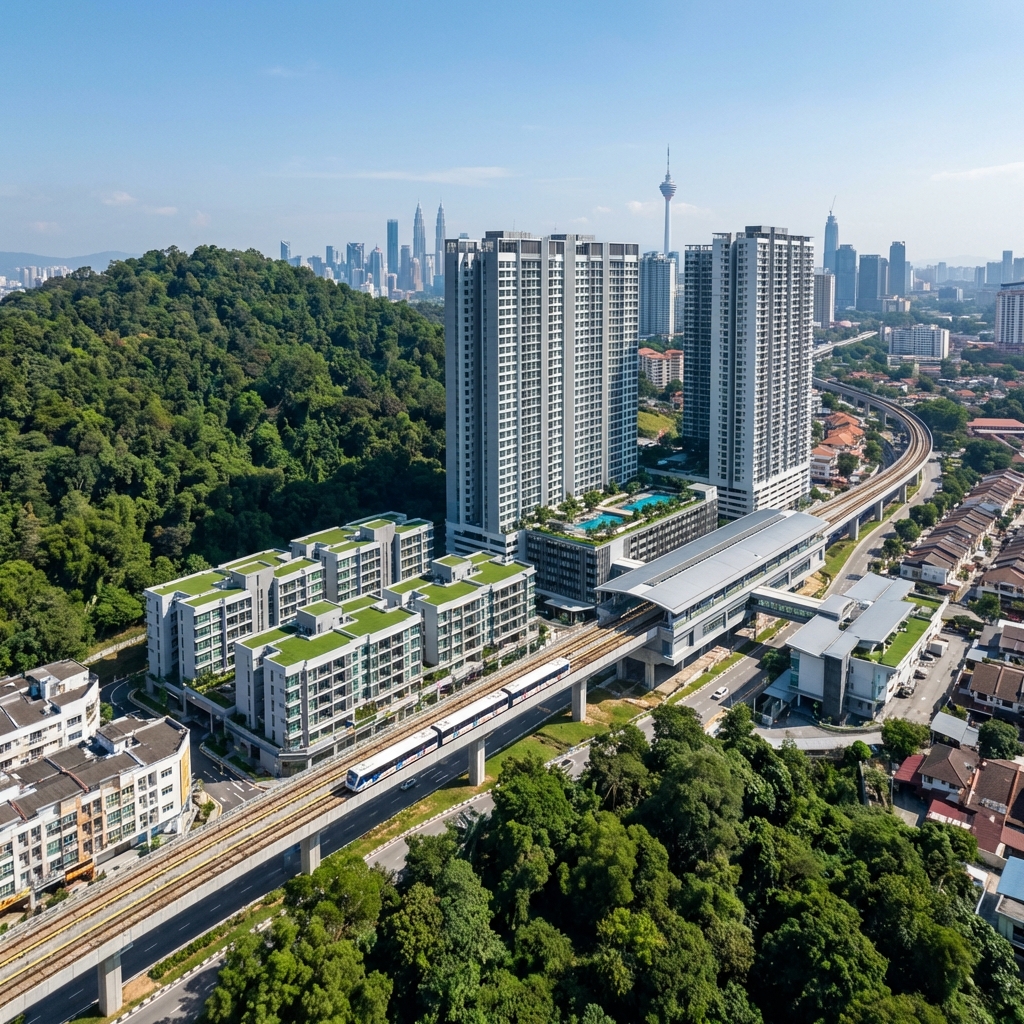
The approved MRT3 Circle Line is the most significant catalyst for the region. The proposed Sri Hartamas and Dutamas stations will finally provide rail connectivity to the enclave. Real estate analysts project that properties within an 800-meter radius of these stations could see capital appreciation of 10–15% upon completion, as improved accessibility reduces the "traffic discount" currently applied to some valuations.
Road Connectivity
A critical micro-infrastructure project expected by Q2 2026 is the direct link road connecting Jalan Kiara 3 to Jalan Duta Kiara. This upgrade is projected to reduce internal commute times significantly, particularly benefiting residents in deeper developments near Garden International School.
Mont Kiara vs. Desa ParkCity: The Battle for the "Best Family Area"
When discussing the best family area in Kuala Lumpur, the conversation almost invariably narrows down to a choice between the vertical vibrancy of Mont Kiara and the horizontal, master-planned tranquility of Desa ParkCity (DPC). Understanding the nuances between these two locations is vital for families and investors.
1. Desa ParkCity Lifestyle vs. Mont Kiara Urban Living
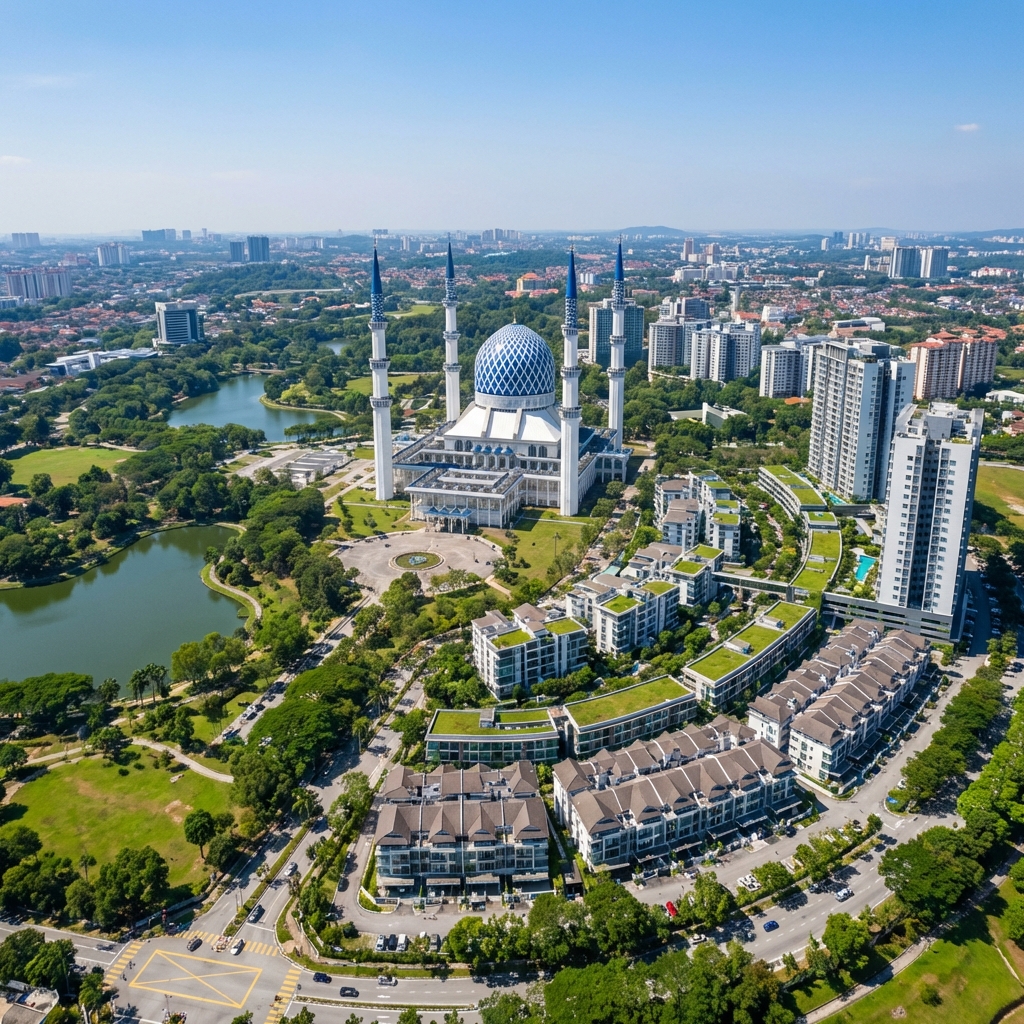
The Desa ParkCity lifestyle is defined by its "New Urbanism" philosophy—a walkable, self-contained township anchored by a 13.9-acre Central Park. It is widely considered the most pet-friendly community in the Klang Valley, a feature that commands a significant premium.
- Walkability: DPC offers 9-foot wide jogging paths and separate bicycle lanes, creating a safe, car-free environment for children. In contrast, Mont Kiara is denser and relies on sidewalks adjacent to busy roads, though it offers "walkable convenience" to malls like 1 Mont Kiara and 163 Retail Park.
- Community Feel: DPC fosters a close-knit community vibe through its strata-titled landed homes and shared park spaces. Mont Kiara offers a more cosmopolitan, fast-paced expatriate energy with a higher density of dining and nightlife options.
2. Desa ParkCity House Price Trends vs. Mont Kiara
While Mont Kiara offers varied entry points, Desa ParkCity house prices have seen aggressive appreciation due to the scarcity of freehold township land.
- Median Pricing: As of late 2025, DPC's median transaction price stood at RM 1.45 million (RM 994 psf), reflecting a year-on-year appreciation of roughly 16.5%. This is slightly higher than Mont Kiara’s RM 1.35 million median, indicating that buyers are paying a premium for the township environment.
- Landed Premium: Landed homes in DPC are ultra-premium assets. For example, terrace homes in The Mansions have recorded median prices of RM 6.3 million (RM 2,188 psf), while Casaman terrace homes transact around RM 5.1 million. In comparison, Mont Kiara has very limited landed stock, mostly restricted to super-luxury enclaves like The Residence or Villa Mont Kiara.
3. Desa ParkCity Condo Review: A Benchmark for Luxury
High-rise living in DPC has evolved to rival Mont Kiara’s best. A Desa ParkCity condo review often highlights the integration of nature into vertical living.
- Park Regent: This joint venture with CapitaLand is the current benchmark for luxury in DPC. Completed in 2023, units here are transacting at a median of RM 1,478 psf, which surpasses many Mont Kiara developments. It appeals to those seeking "resort living" with direct lake access.
- Noöra: A new integrated development in DPC targeting millennials, Noöra features a Scandinavian design ethos and a dedicated retail podium. Priced between RM 900 and RM 1,000 psf, it offers a more accessible entry point compared to Park Regent, directly competing with Mont Kiara’s smaller SOHO units.
- Park Place: Located in the TownCenter, this project emphasizes communal living with "work-from-home" lofts. It recently transacted at a median of RM 1,315 psf, demonstrating that high-density projects in DPC can command prices similar to KLCC luxury stock.
Comparative Analysis: Pros and Cons
| Feature | Mont Kiara | Desa ParkCity |
|---|---|---|
| Primary Appeal | High-energy expat hub, international schools, dining density. | Serene, walkable township, pet-friendly, green spaces. |
| Housing Type | 90% High-Rise Condominiums. | Mix of Landed Strata (Terraces/Semis) & High-Rise. |
| Connectivity | Excellent highway access (NKVE, DUKE), Future MRT3. | Accessible via LDP/MRR2; famously congested tolls at peak hours. |
| Rental Yield | Higher (4% - 6%) due to expat corporate leases. | Slightly lower (3% - 4%) but extremely stable occupancy. |
| Pet Friendly? | Limited (only specific condos like Bon Kiara). | Yes, the entire township and Central Park are pet-centric. |
| Entry Price | Condos available from RM 600k (older) to RM 3M+. | High barrier to entry; generally RM 1M+ for condos, RM 2.5M+ for landed. |
Investment Strategy for 2025–2027
The "Wellness" Premium
Post-pandemic, tenant preferences have shifted toward health and wellness. In Mont Kiara, developments like Bon Kiara are capitalizing on this by offering dedicated pet amenities and green certifications, targeting the 10% of the market that is pet-friendly. Similarly, in DPC, the Desa ParkCity lifestyle inherently commands a premium of approximately 20% over neighboring areas due to its wellness-centric master plan. Investors looking for capital preservation should target these wellness-concept properties.
The Family-Sized Unit Shortage
There is a structural shortage of large-format (2,000+ sq ft) family units in Mont Kiara. Most new launches have focused on smaller units (under 1,000 sq ft) to keep absolute quantums low. Consequently, older, well-maintained condos offering large square footage, such as 11 Mont Kiara or Residensi 22, are expected to see sustained capital appreciation as expatriate families find limited options in the primary market.
Future Supply Pipeline
Investors must be cognizant of the supply pipeline. Mont Kiara will see the completion of Allevia in Q1 2025 and The Minh in Q1 2027. The Minh specifically targets the "bungalow in the sky" niche, which may saturate the high-end rental market slightly upon completion. In contrast, DPC has limited undeveloped land remaining (only ~70 acres as of recent reports), which adds a scarcity value to any new launch like Noöra.
Conclusion: Which is the Best Family Area in Kuala Lumpur?
Deciding between investing in Mont Kiara or Desa ParkCity depends on your investment horizon and target tenant profile.
Choose Mont Kiara if:
- You prioritize rental yield (4-6%) and want access to a deep pool of expatriate tenants working in corporate sectors.
- You prefer a cosmopolitan, urban environment with immediate access to diverse retail and dining.
- You are betting on the MRT3 catalyst to boost capital values in the medium term.
Choose Desa ParkCity if:
- You seek capital preservation and steady, long-term appreciation driven by land scarcity.
- You are an owner-occupier looking for the best family area in Kuala Lumpur regarding safety, walkability, and green spaces.
- You want a "blue-chip" asset that is recession-resistant due to high local demand.
Ultimately, while the Desa ParkCity house price premium reflects its status as a master-planned sanctuary, Mont Kiara remains the dynamic pulse of KL’s expatriate life. Both locations are positioned to outperform the broader Klang Valley market in 2026, provided investors select units that align with the specific demands of the post-pandemic tenant: space, connectivity, and lifestyle integration.
Frequently Asked Questions (FAQ)
Is Mont Kiara a good investment in 2025? Yes, particularly for rental yields. With the upcoming MRT3 and new corporate offices in KL Metropolis, Mont Kiara remains a top choice for expatriates, ensuring steady rental demand.
What is the average price in Desa ParkCity? As of 2025, the median house price in Desa ParkCity is RM 1.45 million (approx. RM 994 psf), with landed properties commanding significantly higher premiums.
Related Resources
- For Landed Property Hunters: Interested in landed strata homes? Read our detailed Desa ParkCity Investment Guide to understand the different precincts like Casaman and The Mansions.
- For Expat Families: Compare international schools in our guide: Best Neighborhoods for Families in KL.
- For Commercial Investors: Learn more about the institutional shift in retail with our analysis of Sunway 163 Mall and The MET Corporate Towers.