Buying a property is one of the biggest financial decisions you will make in your lifetime. Whether you are a first-time homebuyer or a seasoned investor, having a solid checklist is crucial to navigating the Malaysian property market. With so many options available—from high-rise condos in KL to landed properties in the suburbs—how do you know which one is "good"?
This comprehensive checklist will guide you through the essential factors to consider before signing that Sales and Purchase Agreement (SPA).
1. Location, Location, Location
It’s the oldest cliché in real estate for a reason. A property’s location determines not just your daily convenience but also its potential for capital appreciation.
- Connectivity: Is it close to major highways (LDP, Federal Highway, DUE, etc.) or public transport (MRT, LRT, Monorail)?
- Amenities: Are there schools, hospitals, supermarkets, and shopping malls nearby?
- Neighborhood Vibe: Visit the area at different times of the day to gauge traffic and noise levels.
2. Understand Your Budget (and Stick to It)
Before you start viewing, know exactly what you can afford.
- Debt Service Ratio (DSR): Banks use this to decide if you qualify for a loan. Generally, your total debt repayments should not exceed 70% of your net income.
- Hidden Costs: Don't forget Legal Fees, Stamp Duty, and Valuation Fees.
3. Title Type: Freehold vs. Leasehold
Understanding the land title is vital in Malaysia.
- Freehold: You own the property indefinitely. Generally commands a higher price and is easier to sell.
- Leasehold: You own the property for a fixed term (usually 99 years). It might be cheaper, but financing can be harder as the lease shortened.
- Bumi Lot: Reserved for Bumiputeras. Selling these to non-Bumis is difficult and requires state consent.
4. Developer Reputation
If you are buying a new project (primary market), the developer’s track record is your safety net.
- Check for past completed projects.
- Look for awards or recognition.
- Verify if they have any abandoned projects (check with the Ministry of Housing & Local Government - KPKT).
5. Potential Rental Yield
Even if you are buying for own-stay, it’s wise to think like an investor.
- Calculate the Rental Yield: (Monthly Rent x 12) / Property Price x 100.
- A good residential rental yield in Malaysia is typically between 3% to 5%.
6. Occupancy Rate of the Area
Is the neighborhood vibrant or a "ghost town"?
- High occupancy rates indicate strong demand.
- For condos, ask the management office about the current occupancy rate.
7. Maintenance Fees & Sinking Fund
For strata properties (condos, serviced apartments, gated communities), you will pay monthly fees.
- Ensure the fees are sustainable for you in the long run.
- Ask what the fee covers (security, gym, pool, landscaping).
- Tip: Exclusive, low-density developments often have higher maintenance fees per sqft.
8. Orientation and Feng Shui
In Malaysia, cultural beliefs influence property values.
- Orientation: Properties facing West get the hot afternoon sun, which can increase cooling costs. North or South facing units are often preferred.
- Numbers: Some buyers avoid level 4 or house number 4 due to superstitions.
9. Future Development Plans (Master Plan)
Research the surrounding area’s future.
- Are there new MRT lines proposed? This could boost value.
- Is a high-rise coming up right in front of your view? This could hurt value.
- Check the local council's local plan (Rancangan Tempatan).
10. The House Condition (Defects)
For sub-sale properties, inspect thoroughly.
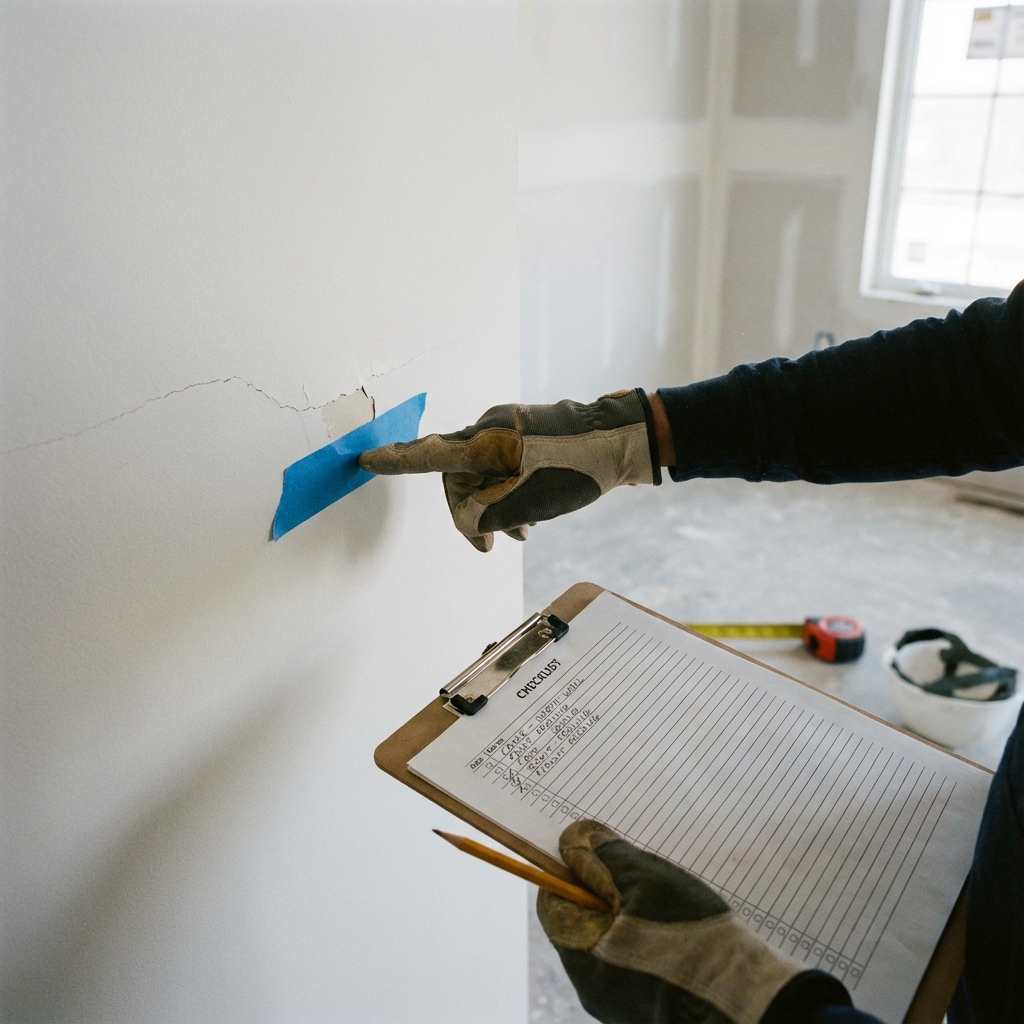
- Check for water marks on ceilings (leaks), wall cracks, and termite issues.
- Test water pressure and electrical outlets.
- For new properties, understand the Defect Liability Period (DLP), usually 24 months from vacant possession.
Conclusion
Buying a good property in Malaysia requires due diligence. By ticking off these 10 items, you lower your risks and increase your chances of securing a home that offers both comfort and financial growth. Don't rush—take your time to research and compare.